Induction vs ceramic hob UK (2026): running costs, pans and which to choose
Induction vs ceramic hobs compared for UK kitchens: which is cheaper to run, why induction is more efficient, whether you need new pans, portable induction hobs, and what Which? says.
Induction hobs are cheaper to run than ceramic hobs because they heat the pan directly and waste less energy, Which? says. They are also faster and easier to clean. Ceramic hobs cost less to buy and work with any flat-bottomed pan, while induction needs magnetic pans. If you cook most days, induction usually pays back over time.
Induction pan deals today
Live prices from the retailers' own feeds, re-checked through the day. Check the retailer before you buy.
A ceramic hob has heating elements under a glass top. The element glows, heats the glass, and the glass heats the pan. Heat escapes into the kitchen along the way, and the glass stays hot after you switch off.
An induction hob uses a magnetic field to make the pan itself heat up. The glass only warms from contact with the pan. Less heat is lost, the pan responds almost instantly, and the surface cools quickly.
Which is cheaper to run?
Induction. Which? says that, from its testing, an induction hob uses energy far more efficiently than a gas, electric ceramic or solid-plate hob, and that ceramic hobs cost more to run because they are less efficient.
How much you save depends on how much you cook and your electricity price. Selectra, citing a Defra test, reports the same dish used 0.39kWh on a ceramic hob and 0.32kWh on induction. For a household that cooks every day, that adds up over a year, but it will not transform a bill on its own.
Induction
Ceramic
Efficiency
Highest of the hob types (Which?)
Lower; heat is lost through the glass
Speed
Very fast, instant response
Slower to heat and cool
Pans
Magnetic base needed
Any flat-bottomed pan
Cleaning
Easy; spills do not burn on as much
Spills can burn onto the hot glass
Safety
Surface cools quickly
Glass stays hot after use
Price to buy
Usually higher
Usually lower
Good to know: Gas hobs are often cheaper to run than either electric type, but Which? explains that is because gas is a cheaper fuel, not because gas hobs are more efficient. Check the current unit rates on your tariff.
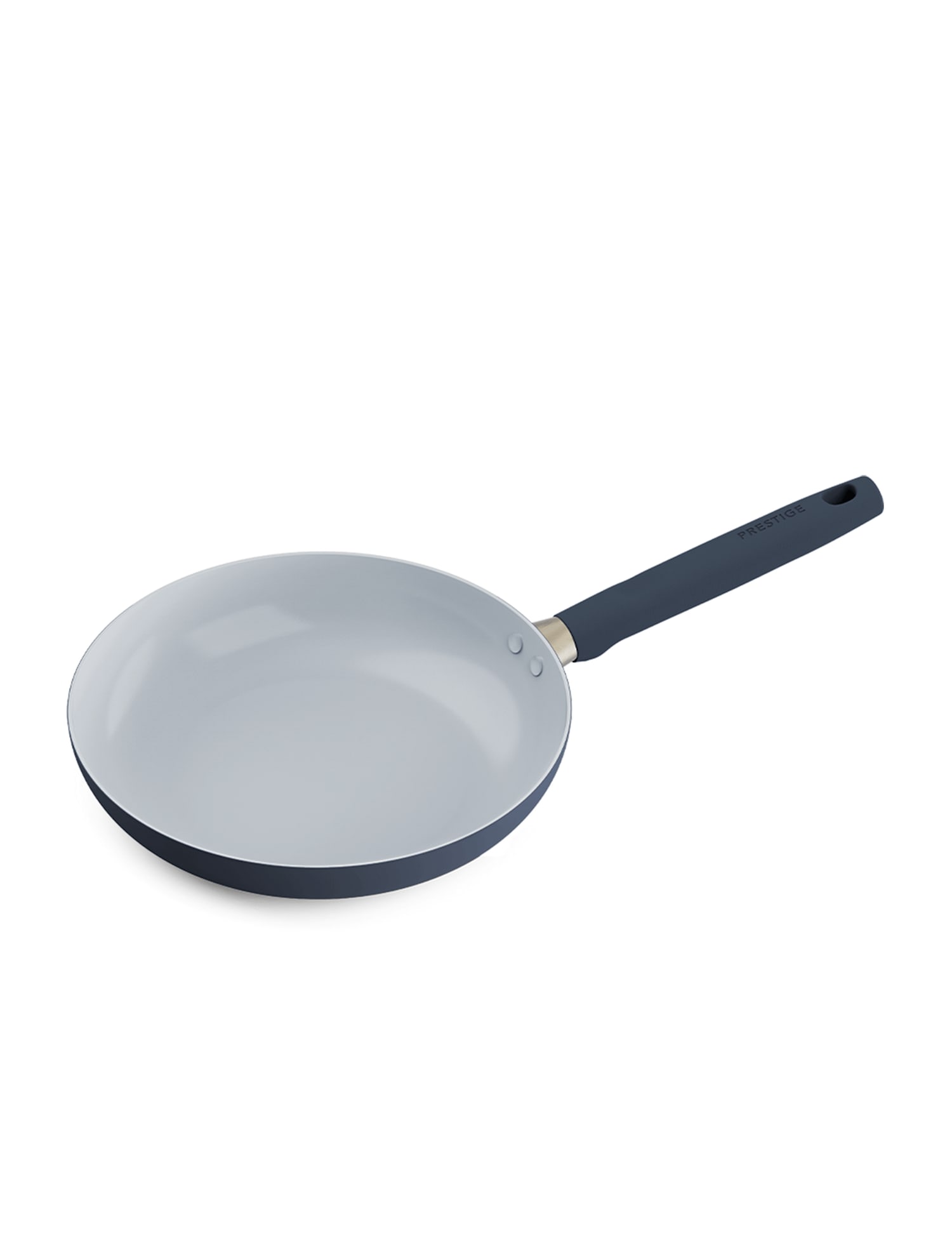
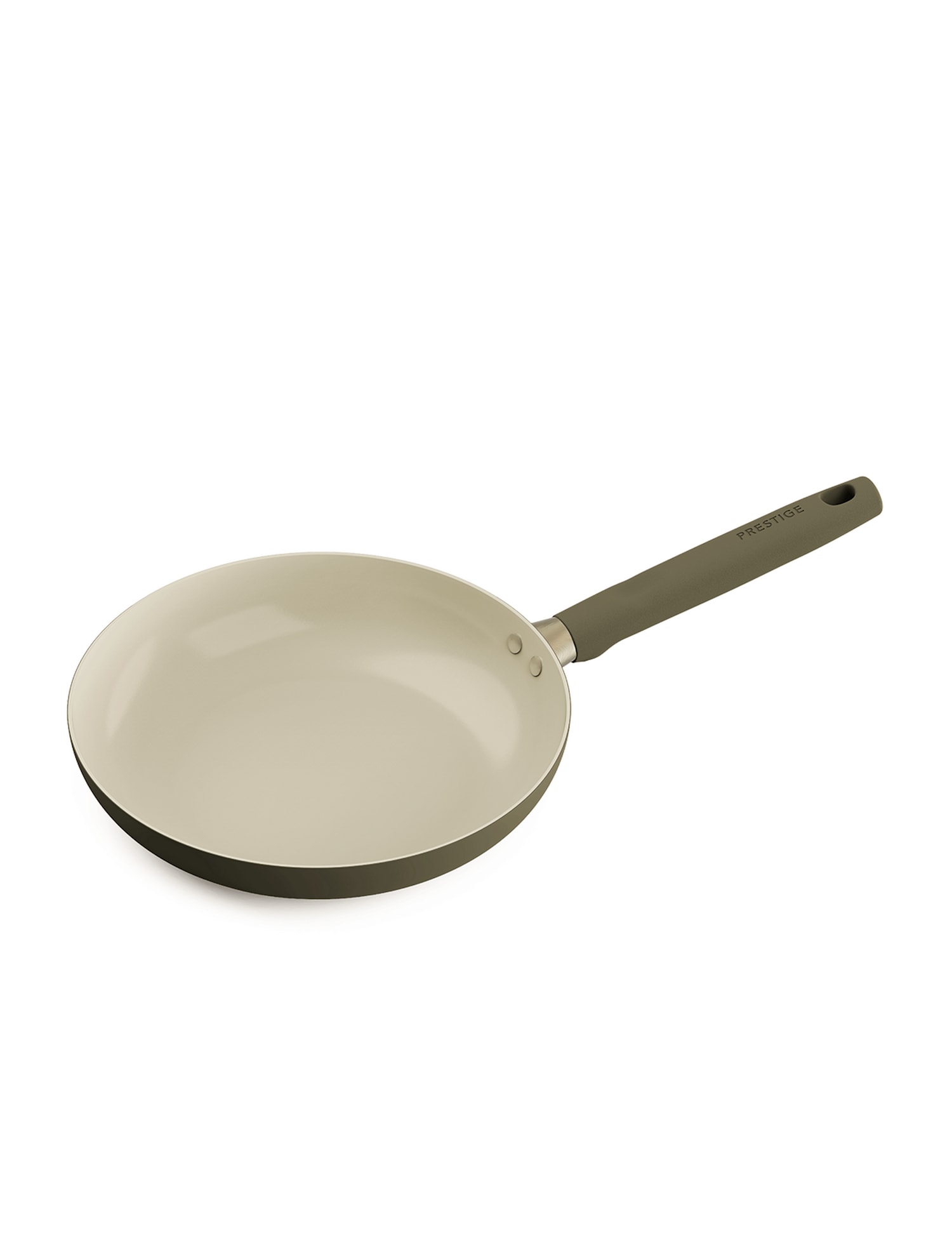
Possibly. Induction only works with pans that have a magnetic base, such as cast iron, enamelled steel and many stainless steel pans. Most aluminium, copper and glass pans will not work unless they have a magnetic plate in the base.
The easy test: hold a fridge magnet against the bottom of the pan. If it sticks firmly, the pan will work. Many pans now carry an induction symbol, a coil shape, on the base or the box.
Which? has looked at induction hob diffusers, metal plates that let non-magnetic pans work on induction. They are a stopgap, because they waste much of the efficiency advantage.
A portable induction hob is a single or double plate that plugs into a normal socket. It is a cheap way to try induction before replacing a built-in hob, or to add an extra ring for busy days. It also suits a student room or a small flat.
Check the power rating, the size of the cooking zone and the controls. A single-plate model that plugs into a standard 13A socket is less powerful than a built-in induction ring. You can compare portable induction hobs on Amazon (Ad) (opens in a new tab).
What else should you consider?
Installation. A built-in induction hob often needs its own circuit. Use a qualified electrician, and check your cooker circuit can take the load.
Pacemakers. If you have a pacemaker or another implanted medical device, ask your doctor or the device maker for advice about using induction.
Noise. Induction hobs can hum or buzz at high power, especially with some pans. It is normal.
Touch controls. Both types often use touch controls, which can be fiddly with wet fingers.
How do you check a hob deal?
Cyber Monday is 30 November 2026. Before you buy a hob or pans in a sale, check the “was” price with our Deal Checker or our price-history guide.
Induction is the more efficient hob, so it is cheaper to run than ceramic, faster and easier to clean. Ceramic costs less to buy and works with any flat pan. Test your pans with a magnet, try a portable induction plate if you are unsure, and check the price history before you buy.
Yes. Which? says induction is the most efficient hob type and that ceramic hobs cost more to run because they lose more heat. The saving depends on how often you cook and your electricity price. It is real but modest for a household that cooks occasionally.
Do I need special pans for an induction hob?+
You need pans with a magnetic base. Cast iron, enamelled steel and many stainless steel pans work. Most aluminium, copper and glass pans do not, unless they have a magnetic plate. Test with a fridge magnet: if it sticks firmly to the base, the pan will work.
Is induction cheaper to run than gas?+
Not always. Induction is more efficient, but gas usually costs less per unit than electricity, so gas hobs can still be cheaper to run, as Which? explains. Induction is cleaner indoors, faster and easier to clean. Compare your own tariff’s gas and electricity unit rates.
Is a portable induction hob worth buying?+
It is a low-cost way to try induction, add an extra ring or cook in a small space. It plugs into a normal socket, so it is less powerful than a built-in ring. Check the cooking zone size and controls, and make sure your pans have a magnetic base.
Can an induction hob scratch?+
Yes, the glass can scratch if you slide heavy pans across it, especially cast iron with a rough base. Lift pans instead of dragging them, and wipe spills once the surface has cooled. The same care applies to ceramic hobs, where burnt-on spills are a bigger problem.
Do I need an electrician to fit an induction hob?+
For a built-in hob, usually yes. Many need a dedicated cooker circuit, and electrical work in kitchens should be done by a qualified electrician. A portable induction hob just plugs into a standard socket and needs no fitting.
What to do next
See what is on offer today, or check a price before you buy.
The Daily Offer Deals team lists UK deals from retailer feeds and writes practical buying guides; a person approves every guide. We never claim hands-on testing we have not done.
Withings or Eufy smart scales? What independent accuracy tests found, how body fat readings work, app and Wi-Fi differences, who should not use them, and how to check a deal.
Is a standing desk worth it for working from home? What you get for under £300, single vs dual motors, desk converters, stability and size, what TechRadar and Which? advise, and how to use one well.
How to choose an ergonomic office chair for under £200 in the UK: the adjustments worth paying for, the Ikea and budget chairs Which? lists, when to stretch to a Sihoo, and how to set your chair up.